


A car-derived van (CDV) is a goods vehicle based on a passenger car, with rear seats removed and a maximum laden weight of 2 tonnes under UK law. These vehicles keep the size and driving feel of a normal car but are modified to carry cargo instead of passengers.
Typically, a CDV vehicle will have:
- Rear seats removed
- A flat load area installed
- Rear side windows replaced with solid panels
This type of car to van conversion makes the vehicle practical for light commercial use while remaining easy to drive and park like a car.
Car-derived vans are often used by tradespeople, delivery drivers, or small business owners who need more storage space but don’t require a full-size van.
Credit: Goodpics - stock.adobe.com
Cars to vans: Who might use a car-derived van?
A CDV vehicle might be used by someone who needs to carry heavier loads on a regular basis - either for personal or business reasons.
A car-derived van is a cost effective way to get some of the benefits of a “proper” van, without the high cost. You can find out how to choose a van with our guide.
What are the loading capacities of car-derived vans?
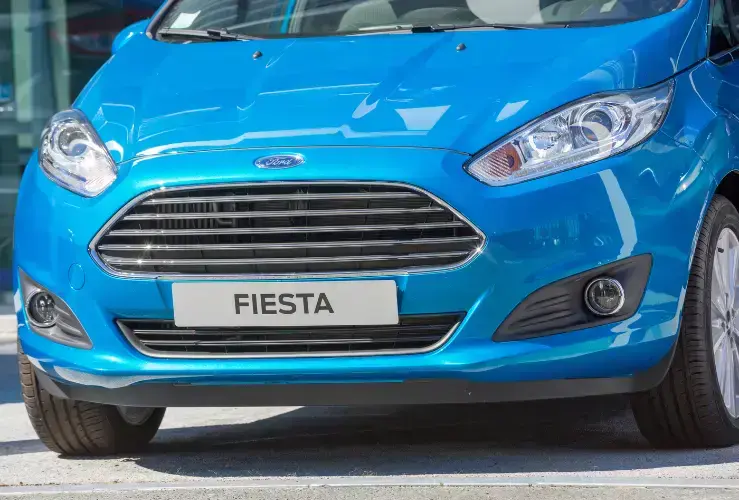
Loading capacity for a CDV is generally rather limited. For example, a Vauxhall Corsavan (derived from the Corsa) has 571kg of capacity, while a Ford Fiesta van (derived from a Fiesta) has 508kg of capacity.
Both vans have under a cubic metre of volume.
These loads compare to the Vauxhall Combo 2300 which can carry 1,000 kg and 3.3 cubic metres, and the Ford Transit, which offers 2,457 kg of capacity and 15.1 cubic metres of space.
Clearly, those who need to carry larger, heavier items, would opt for a genuine van, rather than a car-to-van conversion design.
How does the government classify CDVs?
Car-derived vans are classified by the UK government as those whose design is based on an existing car, and crucially, whose weight does not exceed 2,000kg/2 tonnes.
To be exact, the 1984 Road Traffic Regulations Act – states a ‘car-derived van’ means ‘a goods vehicle that is adapted as a derivative of a passenger vehicle and which has a maximum laden weight not exceeding 2 tonnes.’
As the gov.uk document on the subject points out, very few vehicles meet the CDV criteria, and are usually the “Ford Fiesta van, Vauxhall Corsa or Renault Clio van.”
Such a vehicle will be the same size as a car, and have no rear seats or seat belt mountings.
CDVs will be specified as such “under ‘body type’ on the vehicle’s registration document (V5C).”
Is there a list of vehicles qualifying as CDVs?
The most recent list of CDVs is available to view on the gov.uk website, but it has not been updated since 2015.
Given that many models on the list have gone out of production and several new models have been launched, the list is of very limited use.
The government states it is working with the Society of Motoring Manufacturers and Traders (SMMT) to publish a new list.
What about car-derived van speed limits?
CDVs are subject to the same speed limits as goods vehicles with a maximum laden weight of 7.5 tonnes.
This translates to 50mph on single carriageways, 60mph on dual carriageways, and 70mph on motorways.
If a CDV has been incorrectly registered, it must adhere to the above car derived speed limits until the relevant documents have been updated.
Is a Car-Derived Van Cheaper to Tax?
Not necessarily.
Most modern vans, including CDVs, fall under the light goods vehicle (LGV) tax class.
As of 2025/26, the standard van Vehicle Excise Duty (VED) rate is around:
- £345 per year for most modern vans
Unlike cars, van tax is not linked to CO₂ emissions.
This means:
- Petrol vans
- Diesel vans
- Electric vans
…generally pay the same flat annual rate.
So a car-derived van does not usually have a tax advantage compared with a regular van.
Insurance Differences for CDVs
Insurance for a CDV vehicle is usually classified under commercial vehicle insurance, rather than standard car insurance.
There are several possible insurance types depending on how the van is used.
Common insurance options
- Social, domestic and pleasure
- For private use only
- No business or delivery work allowed
- Carriage of own goods
- Suitable for tradespeople transporting tools or equipment
- Courier or haulage insurance
- Required for delivery work such as parcels or food delivery
Insurance costs may depend on:
- Vehicle value
- Payload capacity
- Driver history
- Business usage
Because CDVs are smaller and often less powerful than larger vans, insurance premiums can sometimes be lower than for medium or large commercial vans.
What is a dual-purpose vehicle?
A dual-purpose vehicle is similar to a CDV.
A dual-purpose vehicle will have been adapted for both passenger and cargo use, with a maximum unladen weight of 2,040kg.
Do car-derived vans feel like a car or a van to drive?
Up front, most CDVs retain the interior of the cars on which they’re based.
They usually offer the same equipment and comfort, plus they’re as easy to drive as the car versions - which is to say, a lot easier to drive than a “proper” van. You can also explore our guide to different types of vans.
Source: chrisdorney - stock.adobe.com
How the UK Government Classifies Car-Derived Vans
The UK government defines a car-derived van in the Road Traffic Regulation Act 1984.
A CDV is:
“A goods vehicle adapted as a derivative of a passenger vehicle with a maximum laden weight not exceeding 2 tonnes.”
To qualify as a car-derived van, the vehicle must:
- Be based on a passenger car design
- Have no rear seats or seatbelt mountings
- Have a maximum laden weight of 2,000 kg or less
The vehicle classification appears under “body type” on the V5C registration document.
You can read the official classification guidance on the UK government website:
DVLA guidance also explains how vehicle types are categorised for registration and tax purposes.
Best Car-Derived Van Models
If you're searching for the best car-derived van, options are limited because many traditional CDVs have been discontinued.
However, several models still offer similar benefits. Here is our list of car derived vans:
Comparison of Popular Car-Derived Vans
Model | Load Volume | Payload | Powertrain | Approx Starting Price |
Ford Fiesta Van | ~1.0 m³ | ~508 kg | Petrol | ~£16,000 (ex VAT) |
Renault Zoe Van | ~1.0 m³ | ~500 kg | Electric | ~£29,000 |
Dacia Duster Commercial | Larger cargo area | ~503 kg | Petrol/Diesel | ~£12,000 |
Quick overview
Ford Fiesta Van
- One of the most well-known CDVs
- Comfortable and car-like to drive
- Popular with small businesses
Renault Zoe Van
- Fully electric option
- Lower running costs
- Suitable for urban deliveries
Dacia Duster Commercial
- Larger cargo area than most CDVs
- SUV-based design
- Competitive purchase price
Choosing the best car-derived van depends on your needs, particularly cargo space, running costs, and whether you prefer electric or petrol power.
Is the Citroën Berlingo a Car-Derived Van?
Despite some older versions being classified as CDVs, modern Citroën Berlingo vans are not considered car-derived vans.
Similarly, these popular vans are not CDVs:
- Volkswagen Caddy
- Ford Transit Courier
They are purpose-built commercial vans rather than passenger-car derivatives.
Benefits of Buying a Used Car-Derived Van
Buying second-hand can significantly expand your options.
Used CDV models include:
- Renault Clio Van
- MINI Clubvan
- Vauxhall Corsavan
Benefits of buying used include:
- Lower purchase price
- Wider model choice
- Slower depreciation
Leasing a Car-Derived Van
Leasing can also be a practical way to drive a CDV vehicle without the upfront cost of purchasing one.
Benefits of leasing include:
- Lower initial outlay
- Fixed monthly payments
- No resale worries
- Ability to upgrade every few years